
Optimal Timing for Storm Restorations
Understanding the optimal timing for storm restorations is essential for ensuring property resilience and minimizing damage. The region experiences seasonal weather patterns that influence when restoration efforts are most effective and necessary.
Spring brings increased wind and rain, making it a common time for storm damage. Early restoration can prevent further deterioration.
Summer storms can cause significant damage, especially during monsoon season. Timely repairs help protect structures.
Fall often sees a decrease in storm activity, but residual damage from summer storms may require attention.
Winter storms, including heavy rain and wind, can lead to urgent restoration needs. Planning ahead ensures readiness.
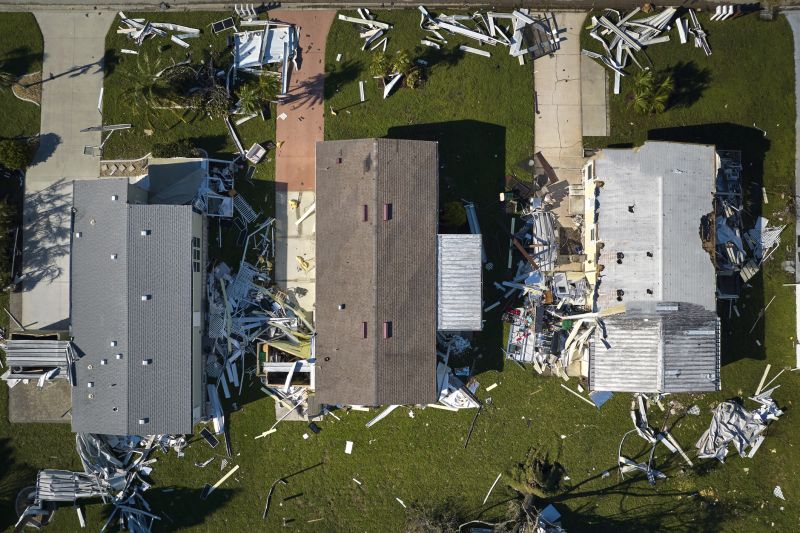
Evaluating damage promptly after storms helps determine necessary restoration actions.

Immediate repairs can prevent further structural issues and water intrusion.
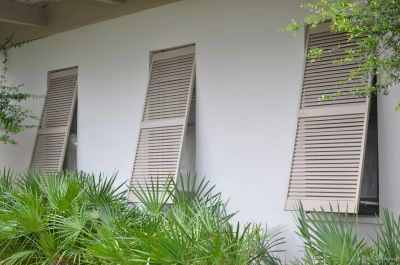
Scheduling repairs during optimal weather conditions ensures effective restoration.
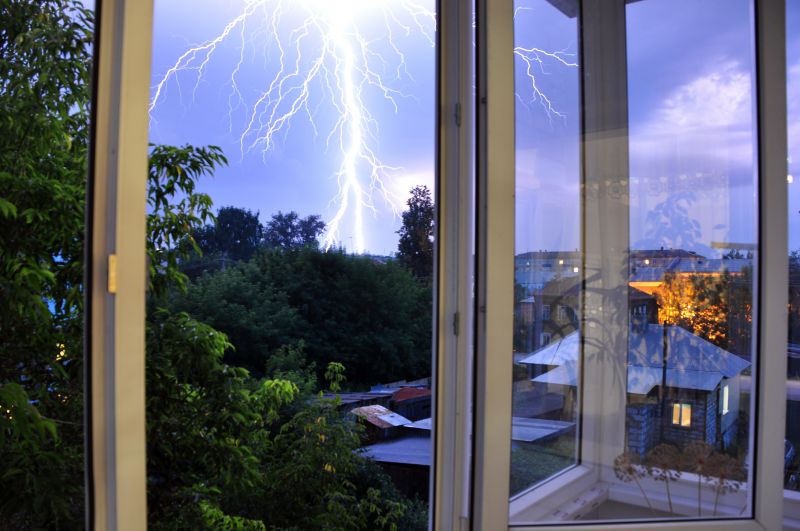
Ways to make Storm Restorations work in tight or awkward layouts.
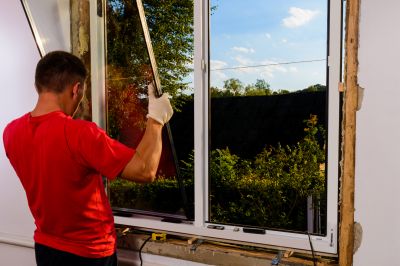
Popular materials for Storm Restorations and why they hold up over time.
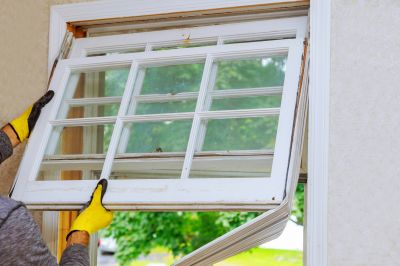
Simple add-ons that improve Storm Restorations without blowing the budget.
| Season | Typical Storm Activity |
|---|---|
| Spring | Moderate to high wind and rain storms |
| Summer | Frequent thunderstorms and monsoon activity |
| Fall | Variable, with occasional storms |
| Winter | Heavy rain and wind storms |
Storm restorations involve repairing damages caused by severe weather events, including roof leaks, structural damage, and water intrusion. Proper timing ensures repairs are durable and effective, reducing the risk of future issues. Statistics indicate that early intervention can decrease restoration costs by up to 30% and extend the lifespan of affected structures.
In El Dorado Hills, storm activity peaks during spring and summer, making these seasons critical for proactive inspections and restorations. Planning restoration efforts during periods of calmer weather can lead to more efficient and thorough repairs, minimizing disruption and preventing secondary damage.
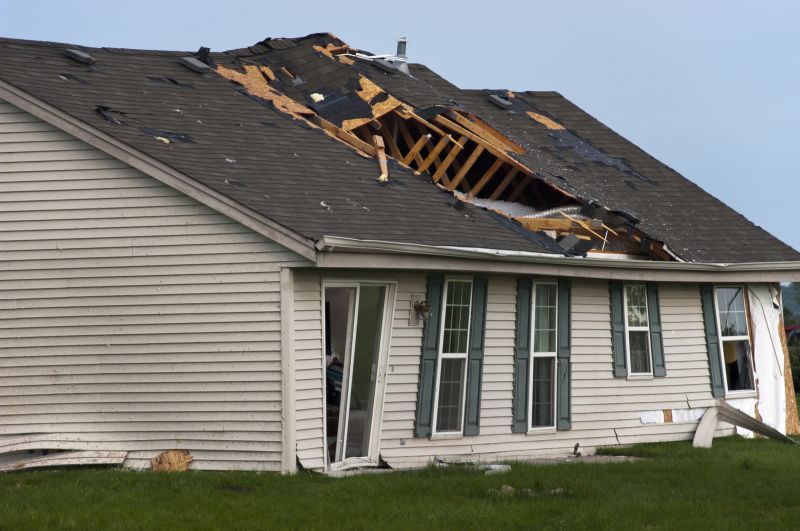
Restoring roofs, gutters, and siding after storms to prevent further damage.
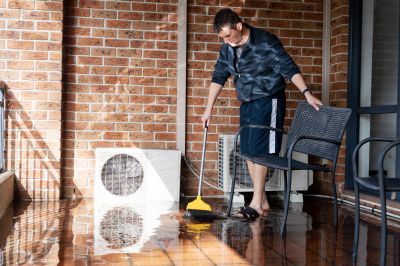
Addressing water intrusion and mold prevention following storm events.
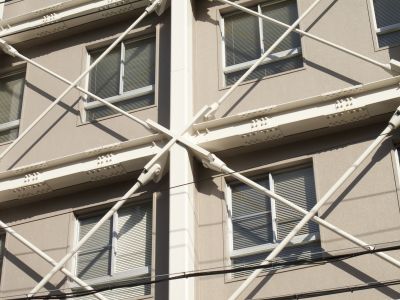
Strengthening vulnerable areas before storm seasons.
Interested property owners can contact professionals to assess storm damage and plan restoration efforts accordingly. Timely action during the appropriate seasons can help maintain structural integrity and reduce long-term costs.